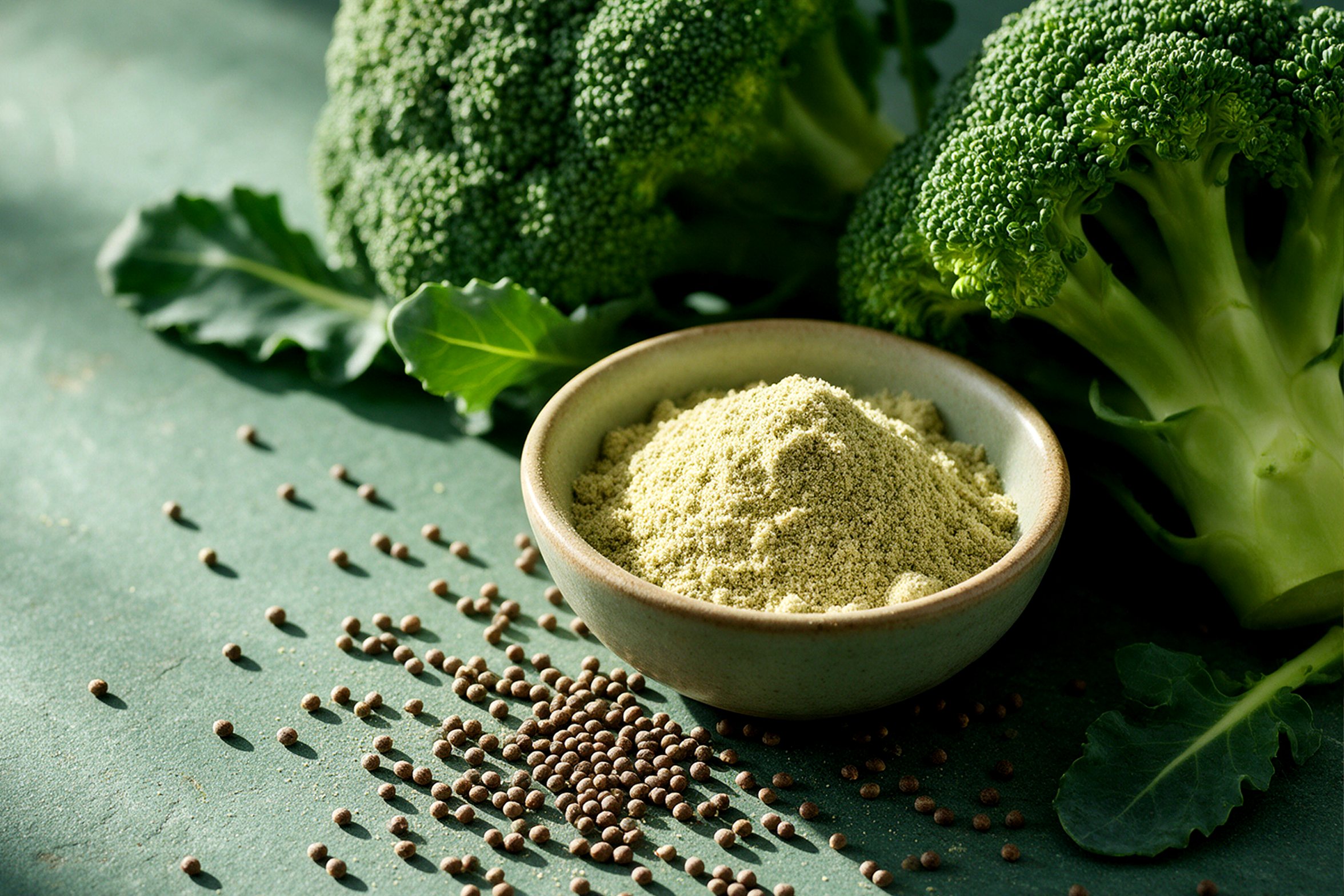
Broccoli florets, a bowl of broccoli seed extract powder and broccoli seeds

FUSHAN BIOTECH / EXTRABROC®

Broccoli science.
Sulforaphane,
by design.

EXTRABROC® Glucoraphanin-Myrosinase Complex.

A sulforaphane-generating ingredient built from glucoraphanin, myrosinase and a food-grade stabilizing component — developed for your next B2B formulation.

INGREDIENT SCIENCE • FORMULATION • MANUFACTURING

THE EXTRABROC® SYSTEM
EXTRABROC®SFN generation
01Glucoraphanin
02Myrosinase
03Food-grade
stabilizing component

*Company-reported figures; clinical studies as of 13 October 2026. See the technology and clinical sections for context.

02 / Product selection

Choose the Right Ingredient Grade
for Your Formulation

Start with the SFN Series — SFN-1, SFN-5 and SFN-10, with customizable specifications — or explore GR-13, also customizable, for glucoraphanin-focused projects.

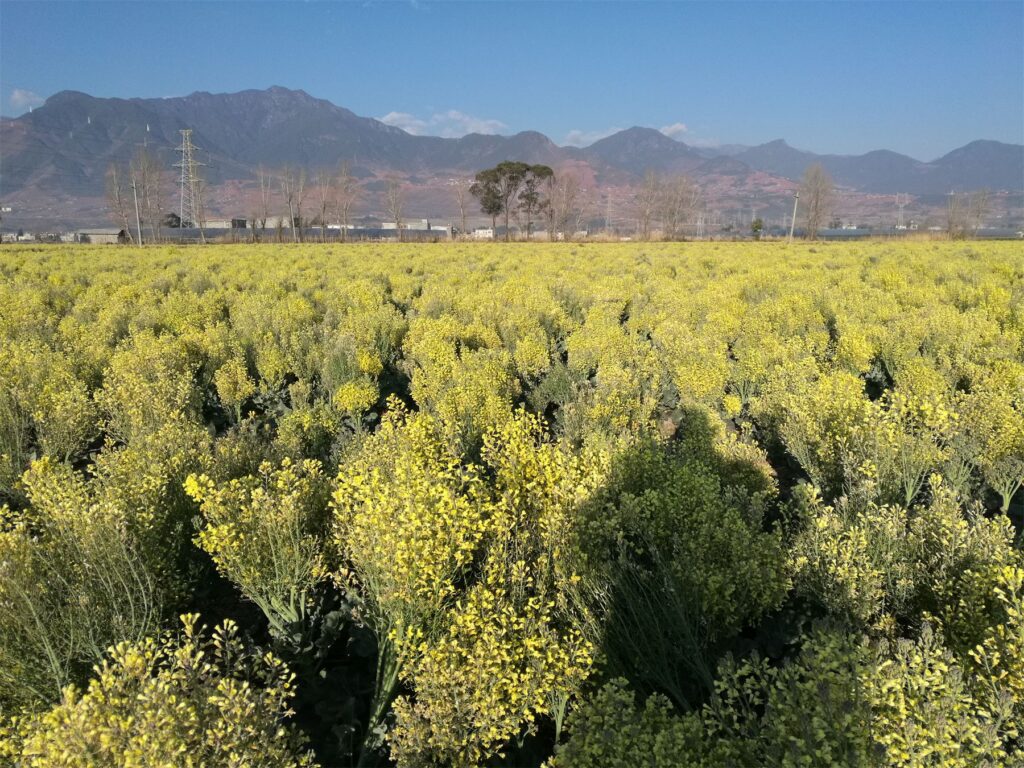
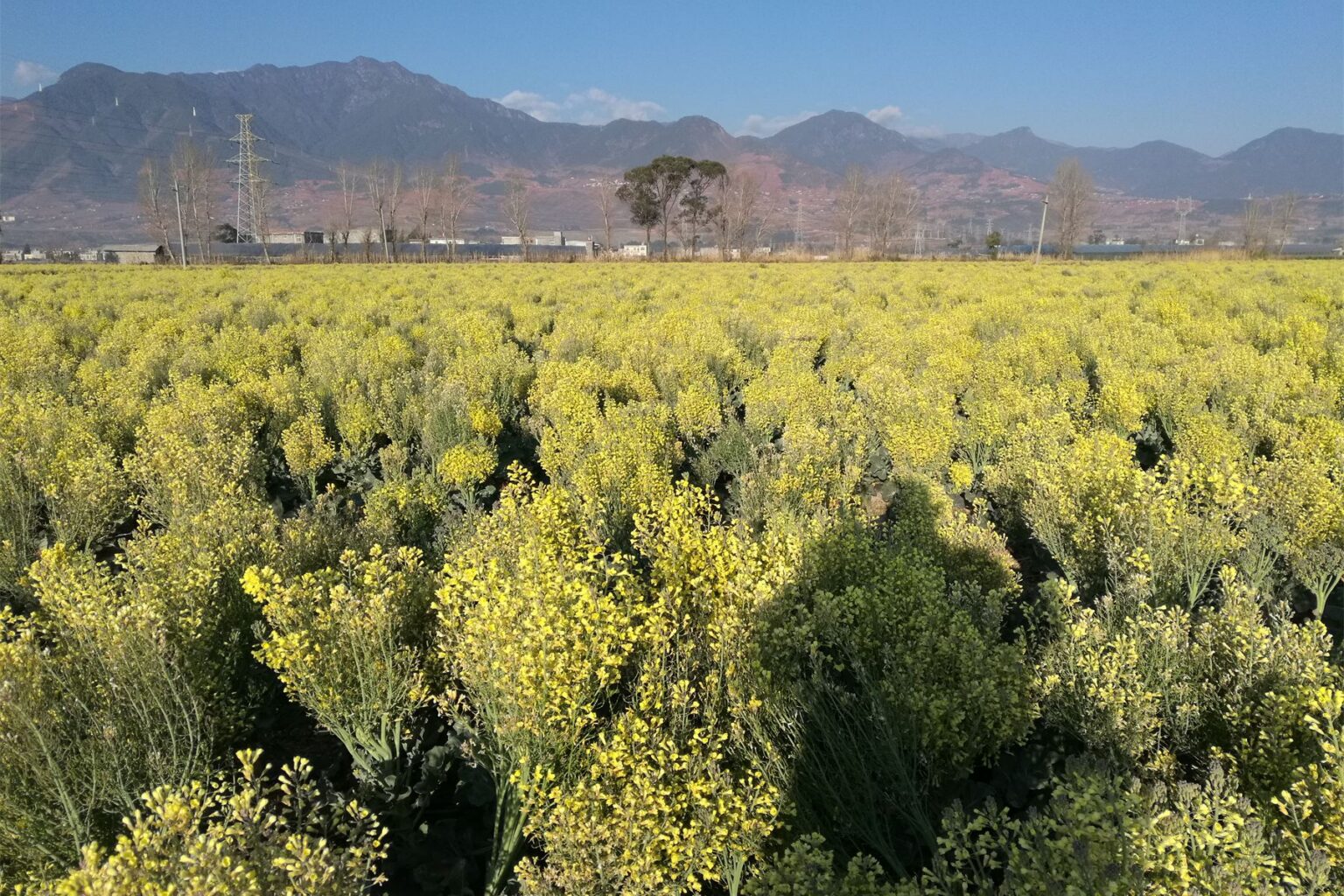
Flowering broccoli seed crop in a cultivation field
EXTRABROC® · Glucoraphanin-Myrosinase Complex

SFN Series

Glucoraphanin-Myrosinase Complex: glucoraphanin, myrosinase and a food-grade stabilizing component. Select the model for your formulation.

Selected: SFN-1 · nominal sulforaphane ≥1.0% (as measured after enzymatic conversion).

View SFN specifications
Gluten FreeNon-GMOSample for formulation trials Request SFN-1 sample
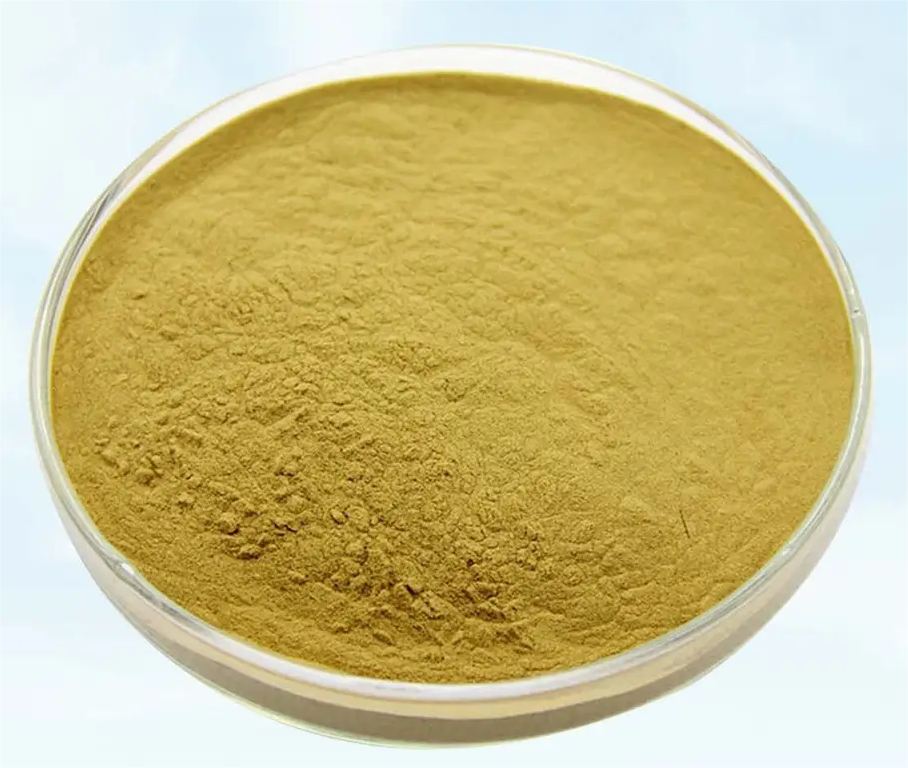
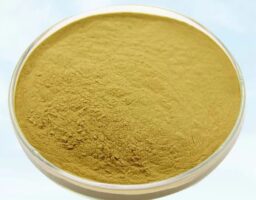
Broccoli seed extract powder in a glass dish
EXTRABROC® · Glucoraphanin line

GR Series

A glucoraphanin ingredient. GR-13 is specified by glucoraphanin content: ≥13.0% (English TDS).

Selected: GR-13 · documented separately from the SFN Series.

View GR-13 specification
Gluten FreeNon-GMO Request GR-13 sample
Evaluation documents Nominal specifications are published here. A sample COA and the certificates can be viewed online; batch COAs and the technical dossier are available on request.
Request SFN-1 documents

03 / Technology & ESY

Three routes.
Compare what matters.

Explore conversion, stability, target-market requirements and study context. View each dimension across three conventional routes and the EXTRABROC® enhanced system.

01 PRECURSOR

Glucoraphanin alone

Microbiota-dependent

Conversion relies on the consumer’s gut microbiota and varies significantly between individuals [3], with a mean in vivo conversion rate of ~10% and up to 40-fold inter-individual variation [1].

02 DIRECT ACTIVE

Direct sulforaphane

No conversion step

The active compound is supplied directly. Retained potency is a key evaluation point.

03 ENZYME COMBINATION

GRN + myrosinase

Enzyme-assisted

Conversion performance depends on the activity retained by the myrosinase, with a mean in vivo conversion rate of 39.6% [2].

Enhanced EXTRABROC® SYSTEM

Patented GRN-Myrosinase Co-Delivery System

≥55% in vitro*

Conversion rate in simulated gastric fluid: pH 3.5, 37 °C, 120 min, with pepsin.

*Company-reported. ≥55% is the conversion rate in the stated in-vitro test, not a rate in the human body. Figures cited for the other routes are in vivo values from the literature listed below and are not directly comparable with the in-vitro figure. Human research is referenced separately; these are different evidence contexts.

  1. Nutrients. 2019;11(7):1489. DOI: 10.3390/nu11071489. PMID: 31261930.
  2. PLoS One. 2015;10(11):e0140963. DOI: 10.1371/journal.pone.0140963. PMID: 26524341.
  3. Cancer Epidemiol Biomarkers Prev. 1998;7(12):1091–1100. PMID: 9865427.
  4. Drug Dev Ind Pharm. 2014;40(4):494–502. DOI: 10.3109/03639045.2013.768634. PMID: 23611476.
  5. J Food Sci Technol. 2018;55:4687–4693. DOI: 10.1007/s13197-018-3395-4. PMID: 30333666.
≥55% / In-vitro model

Simulated gastric fluid, pH 3.5, 37 °C, 120 min, with pepsin.

Human research records

Fushan lists 12 clinical studies; 8 are listed in public trial registries (company statement, 13 October 2026). See Clinical research. They are not results for the in-vitro test.

24-month stability tests

Accelerated: 40 °C / 75% RH, 6 months.
Long-term: 25 °C / 60% RH, 24 months.
GRN retention ≥95%; myrosinase activity retention ≥85%.

View the full comparison table

Theoretical concept Illustrative only Not for dosing

Effective Sulforaphane Yield

ESY: a theoretical framework.

Fushan’s evaluation approach: consider glucoraphanin content, conversion to sulforaphane and stability in storage and processing together. It describes a theoretical relationship only.

A three-factor framework

ESY (mg) = GRN (mg, expressed as free acid) ÷ 2.47× conversion fraction× stability-retention fraction
01 Precursor
GRN is the glucoraphanin quantity available before conversion, in mg and expressed as free acid.
02 Conversion
The fraction (a decimal) converted to sulforaphane under the evaluated conditions.
03 Stability retention
The fraction (a decimal) retained over time under the stated storage conditions.

The two fractions are expressed as decimals. Each factor depends on the material, method and conditions evaluated.

2.47 = molar mass ratio, glucoraphanin (437.5 g/mol) ÷ sulforaphane (177.3 g/mol). Source: PubChem CID 9548634, CID 5350.

04 / Patented technology

Ingredient technology.
Protected by design.

Explore the formulation, the supporting test conditions and Fushan’s company-reported patent portfolio.

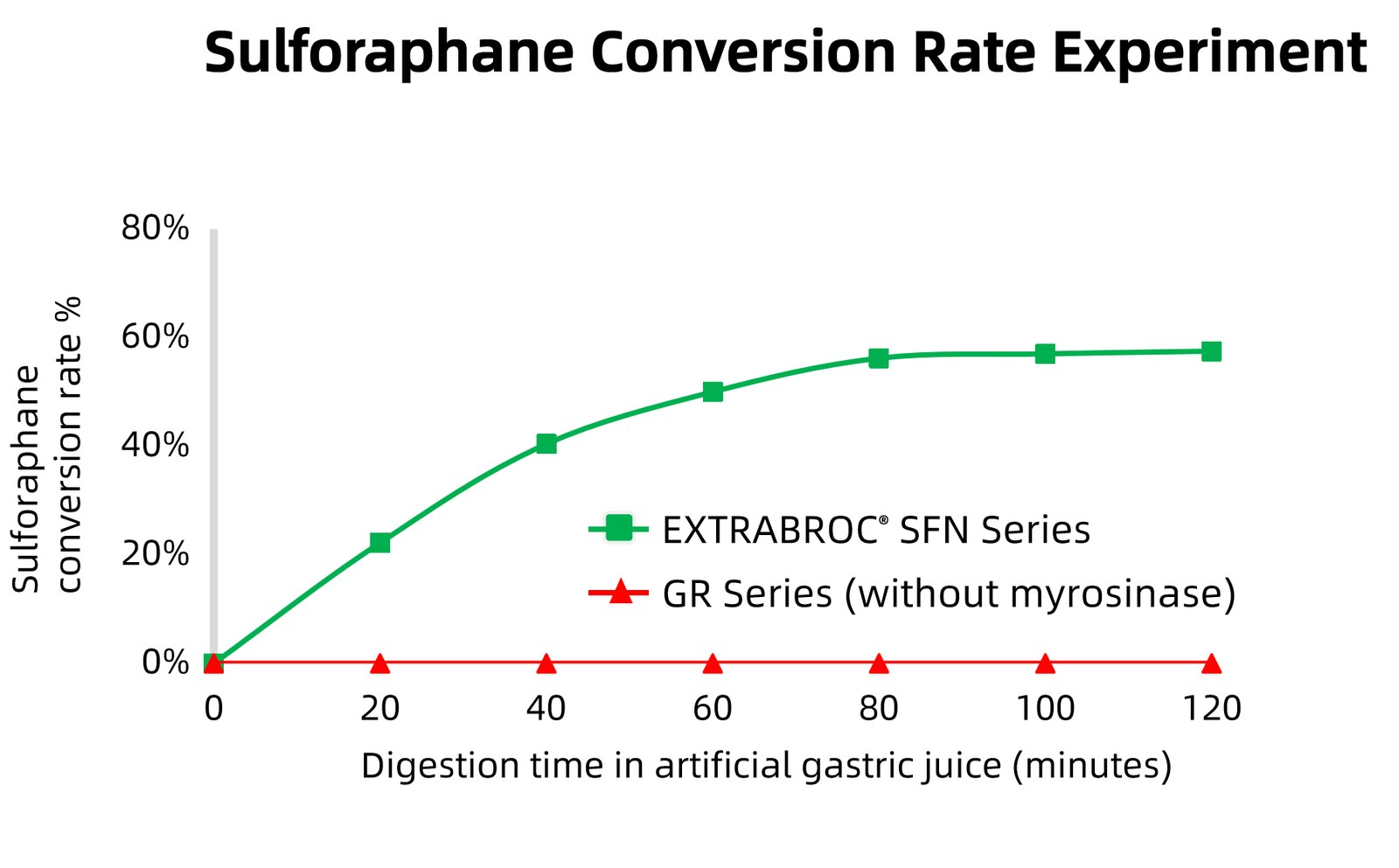
Chart: sulforaphane conversion rate of the EXTRABROC® SFN Series and the GR Series (without myrosinase) over 120 minutes in simulated gastric fluid ≥55% In-vitro SFN conversion

Conversion rate in simulated gastric fluid (in vitro): pH 3.5, 37 °C, 120 min, with pepsin. Fushan laboratory test; not a human conversion or absorption rate.

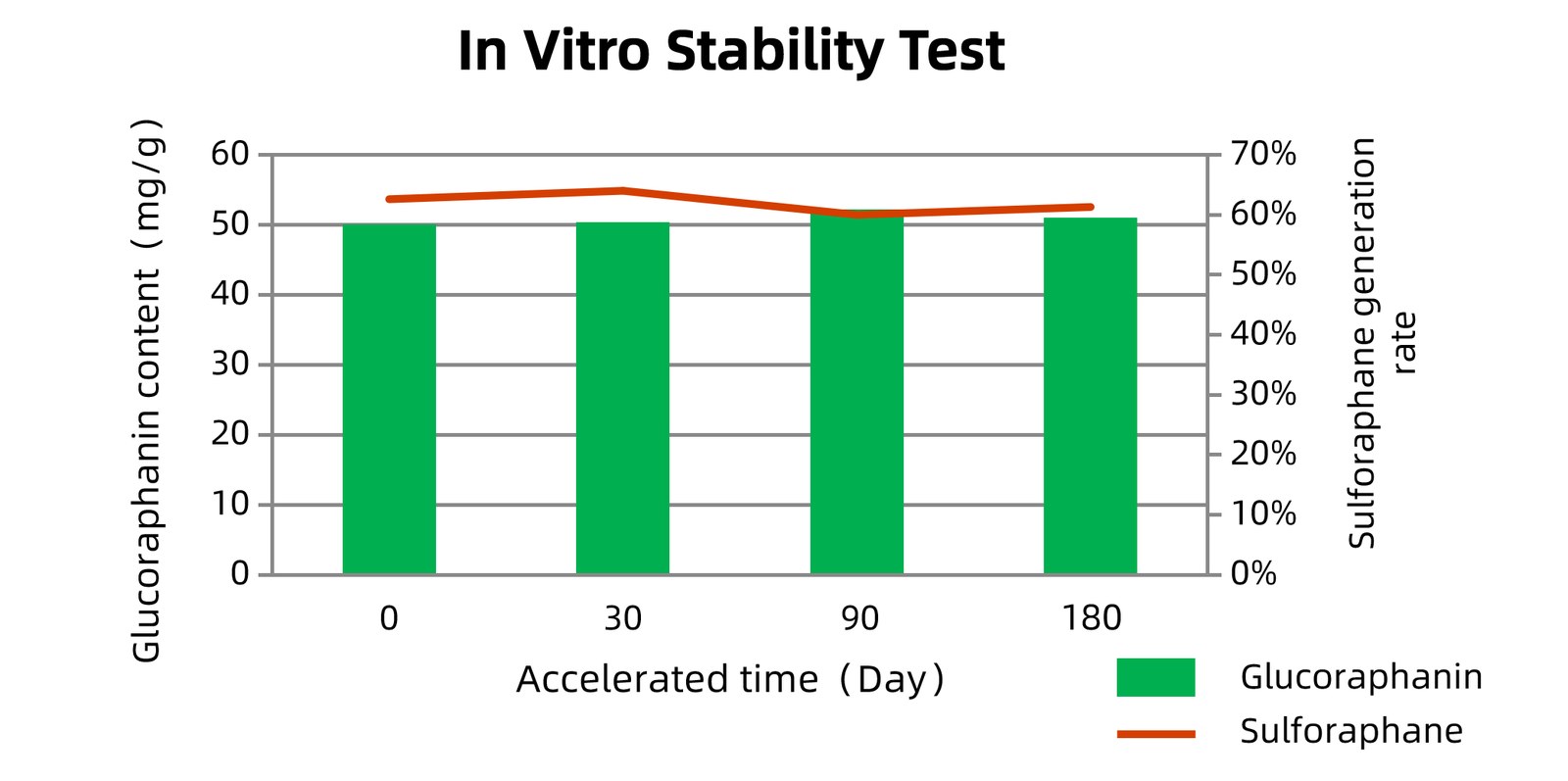
Chart: glucoraphanin content and sulforaphane generation rate at 0, 30, 90 and 180 days of accelerated stability testing 24 months Stability tests

Accelerated: 40 °C / 75% RH, 6 months (extrapolated equivalent ambient shelf life ≥24 months). Long-term: 25 °C / 60% RH, 24 months. GRN retention ≥95%; myrosinase activity retention ≥85%.

Request the test-context dossier

The in-vitro result does not establish human conversion. Request full stability data, packaging conditions and the applicable product specification.

Intellectual propertyCompany-reported portfolio
CN
Granted patentChina invention patent

ZL202211488217.2

STABLE RELEASE NUTRITIONAL TARGETING COMPOSITION AND ITS USE
JP
Granted patentJapan patent

Patent No. 7379533

Composition containing glucoraphanin and use thereof
Pending applications

United States: US 17/606,145, US 19/752,699 · Australia: 2026205377 · Canada: CA 3322785 · France: FR2612212 · South Korea: KR 10-2026-0163100

Application title: COMPOSITION FOR EFFICIENTLY RELEASING SULFORAPHANE TO TARGET NRF2 AND USE THEREOF. Application numbers as listed by Fushan on 13 October 2026.

Patent names and numbers as provided by Fushan. A patent protects an invention; it is not evidence of product efficacy.

05 / Clinical research

A dedicated focus on
human research.

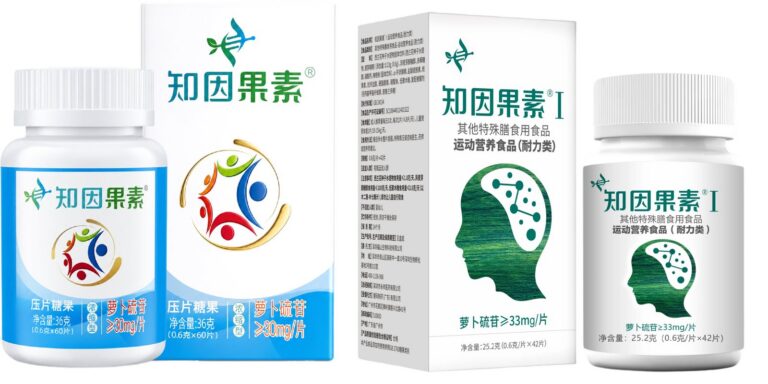
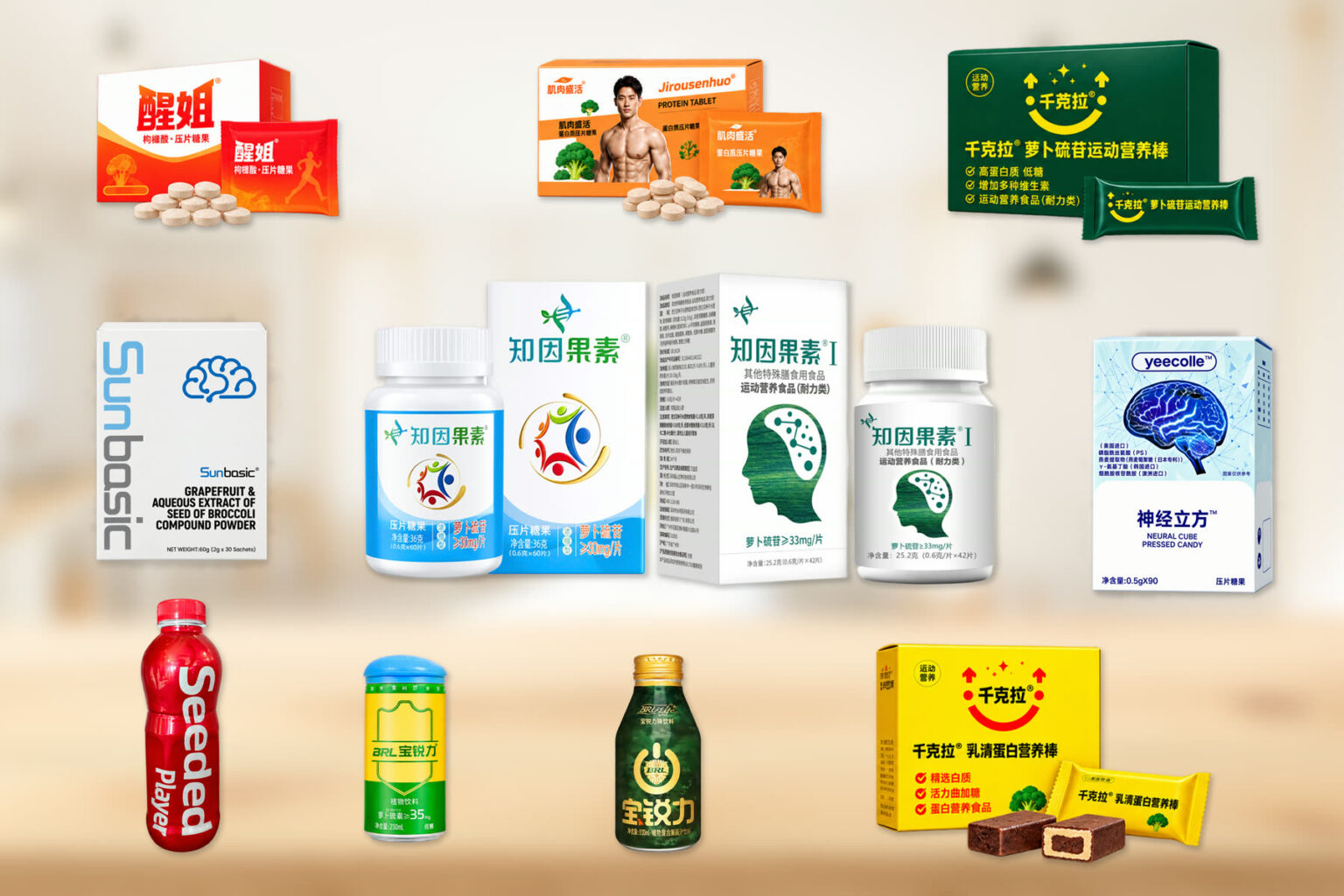
The reported clinical research uses the finished product ZHIYINGUOSU. Explore its relationship to EXTRABROC® and review individual study records.

12Clinical studies listed*
SFN-5Ingredient used in ZHIYINGUOSU
8Listed in public trial registries
Company statement, 13 Oct 2026
FINISHED PRODUCT

ZHIYINGUOSU

知因果素
ZHIYINGUOSU finished-product packaging

Made with EXTRABROC® SFN-5.

ZHIYINGUOSU and EXTRABROC® are both Fushan Biotech’s brands.

The clinical research concerns the finished product. Its findings do not establish results for every ingredient SKU.

Study records · registrations and approvals

RECORD / 01 NCT03932136 DROPS — multicentre, randomized, placebo-controlled trial. Fushan is a listed collaborator and supplied the study tablets. Open ClinicalTrials.gov ↗ RECORD / 02 NCT05145270 Randomized add-on study with escitalopram. The intervention description names ZHIYINGUOSU / Fushan. Open ClinicalTrials.gov ↗ RECORD / 03 NCT05148169 Randomized pilot study with SSRIs. The intervention description names ZHIYINGUOSU / Fushan. Open ClinicalTrials.gov ↗ RECORD / 04 ChiCTR2000028706 Randomized, double-blind, placebo-controlled trial registered in the Chinese Clinical Trial Registry. Open ChiCTR ↗ RECORD / 05 ChiCTR2100050687 Completed human clinical study in the area of fatty liver, registered in the Chinese Clinical Trial Registry. Open ChiCTR ↗ RECORD / 06 Ethics approval 2021-09 Building an Optimized Nutrition Pathway Based on Niacin Skin Response Testing. Real-world study documented by an ethics approval. Details on request ↗ RECORD / 07 ChiCTR2500107819 Effects of Sulforaphane on Nurse Insomnia: The Mediating Role of Gut Microbiota. Registered in the Chinese Clinical Trial Registry. Open ChiCTR ↗ RECORD / 08 Ethics approval 2023-08-01-2 A Precision Nutrition Pathway Study of Sulforaphane Based on Niacin Skin Response Testing. Real-world study documented by an ethics approval. Details on request ↗ RECORD / 09 ChiCTR2500115801 Non-randomized controlled mechanism study, registered retrospectively in 2025. Open ChiCTR ↗ RECORD / 10 NCT07652866 Randomized, double-masked mechanism study. The record states that Fushan provides ZHIYINGUOSU and manufactures the study tablets. Open ClinicalTrials.gov ↗ RECORD / 11 Ethics approval 2026023K An Individualized Intervention Study on Genotype and Dietary Isothiocyanate Metabolism in the Prevention of Bladder Cancer Recurrence. Documented by an approval number. Details on request ↗ RECORD / 12 Ethics approval [2026] Y145 Effects and Preliminary Mechanisms of a Glucoraphanin-Rich Broccoli Seed Aqueous Extract on Sleep Quality in Adults with Poor Sleep Quality. Documented by a research review approval. Details on request ↗

*As of 13 October 2026, Fushan lists 12 clinical studies, 8 of them in public trial registries. All 12 studies are listed above with their public registry number or approval number. The studies are investigator-initiated; a registration or approval describes a study and does not establish efficacy.

Request the research dossier

06 / Why Fushan & supply chain

Four stages.
One traceable supply chain.

From cultivation and extraction to finished formats and clinical application — explore the people, processes and documentation behind your ingredient.

13 years focused on broccoli* 200 ha planting bases in Yunnan and Sichuan* ≥5.5% glucoraphanin in Fushan’s proprietary seed source*
Hover or select a stage to expand. Tap a stage to expand. 01 — 04 / SEED TO APPLICATION
Flowering broccoli seed crop in a cultivation field 01

From broccoli sourcing to ingredient identity. FS08 and FS314 are Fushan’s proprietary broccoli seed cultivars, bred in-house: glucoraphanin ≥5.5% (dry weight, HPLC), about 2 times the median of common commercial cultivars (literature range 0.24%–4.59%; West et al., J Agric Food Chem, 2004). Fushan’s planting bases are in Yunnan and Sichuan, southwest China.

Harvesting broccoli seed with a combine harvester
Yunnan · 133.3 haFS08 · Proprietary cultivarSichuan · 66.7 ha
Discuss botanical sourcing ↗
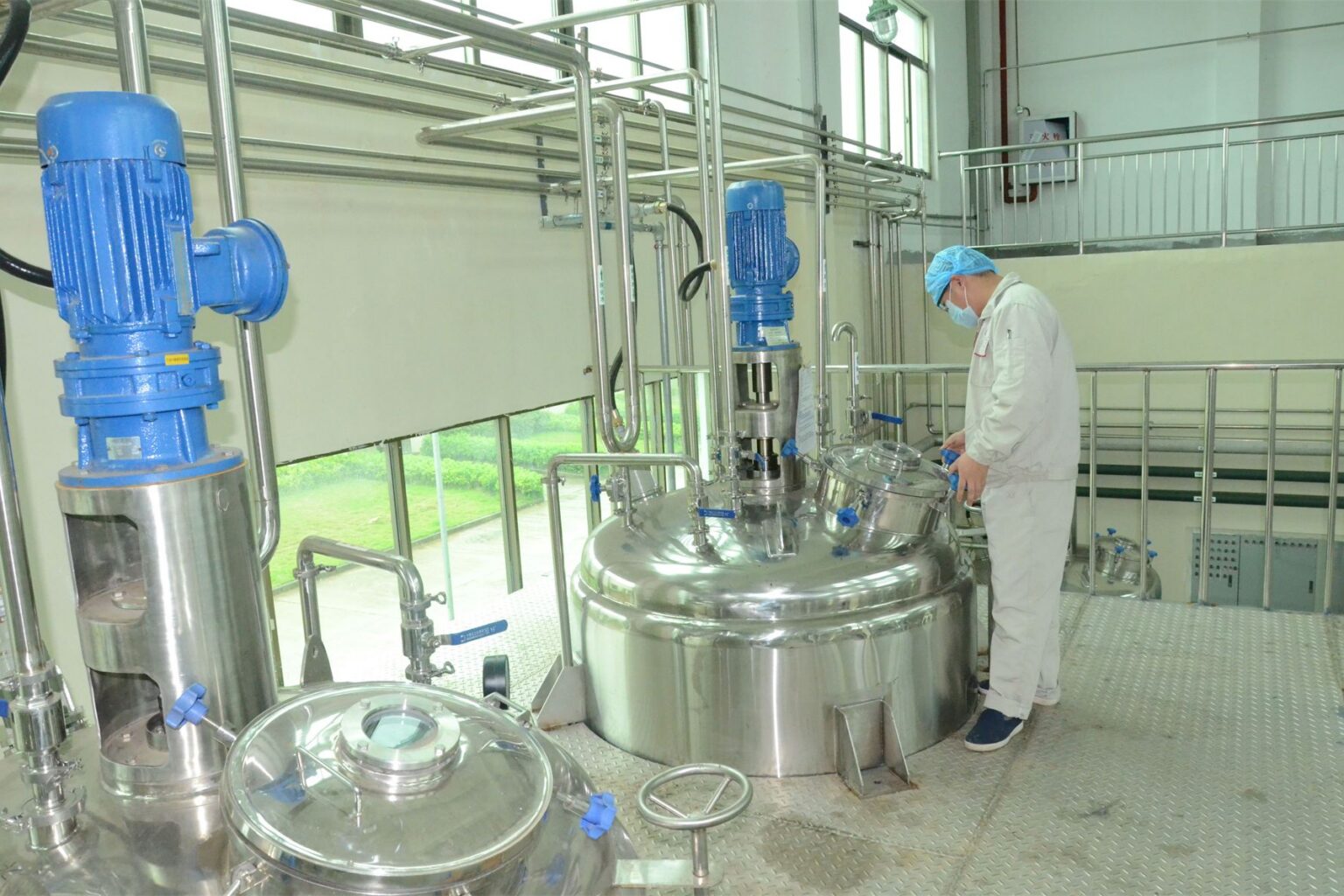
Stainless-steel extraction tanks in a production workshop 02
Finished products in tablet, capsule, powder, bar and liquid formats 03
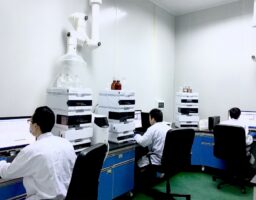
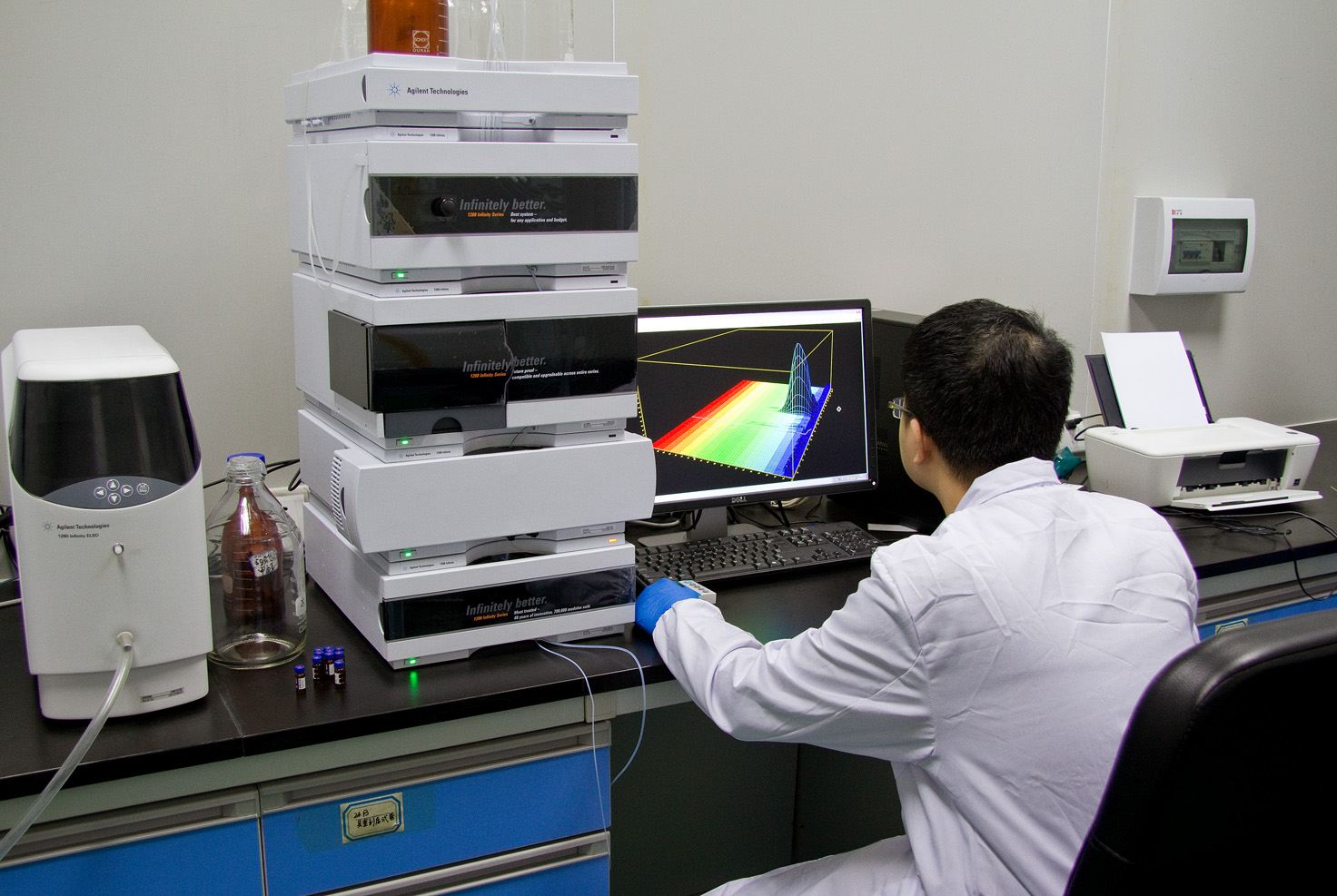
Researcher operating an HPLC system 04
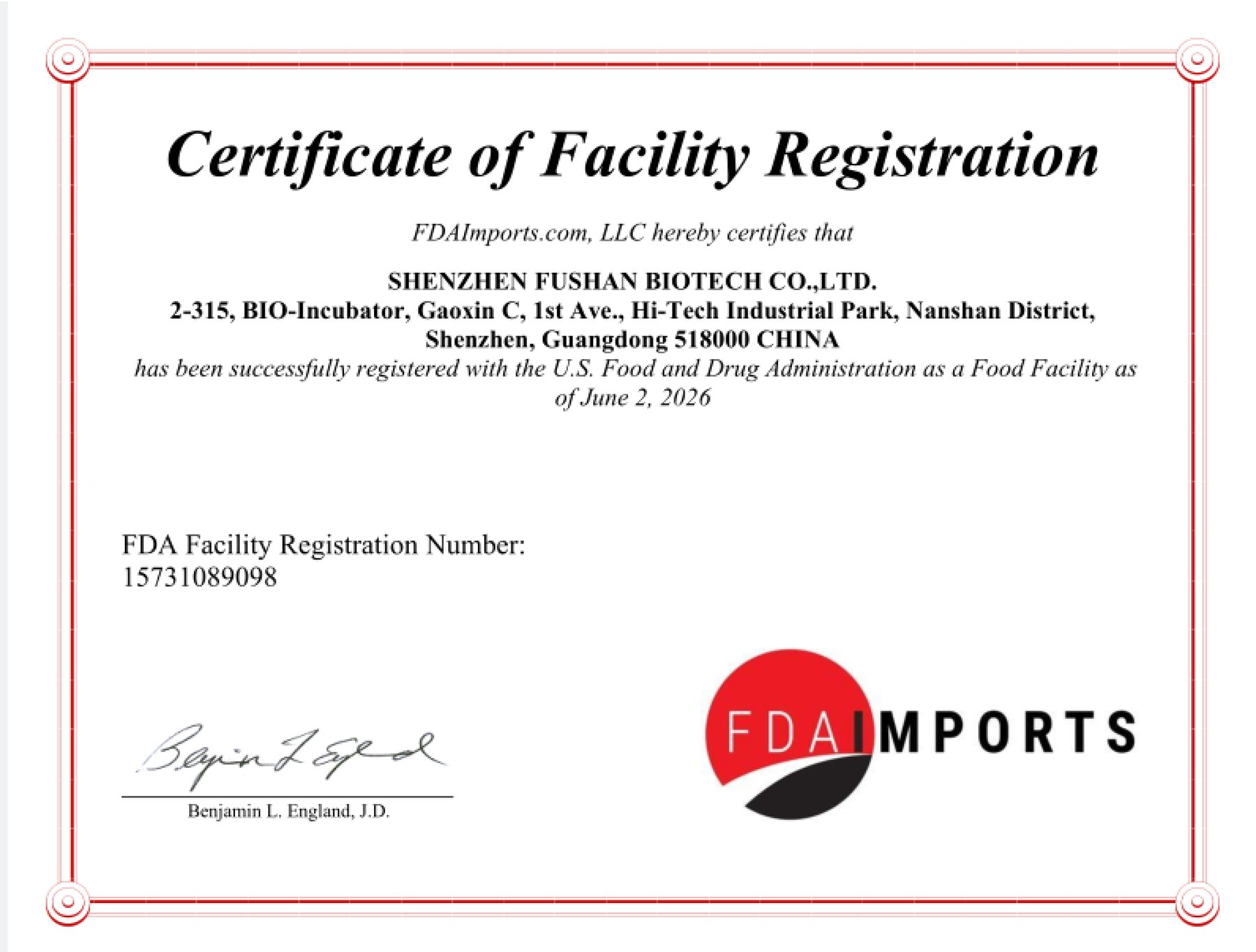
Certifications & registrations

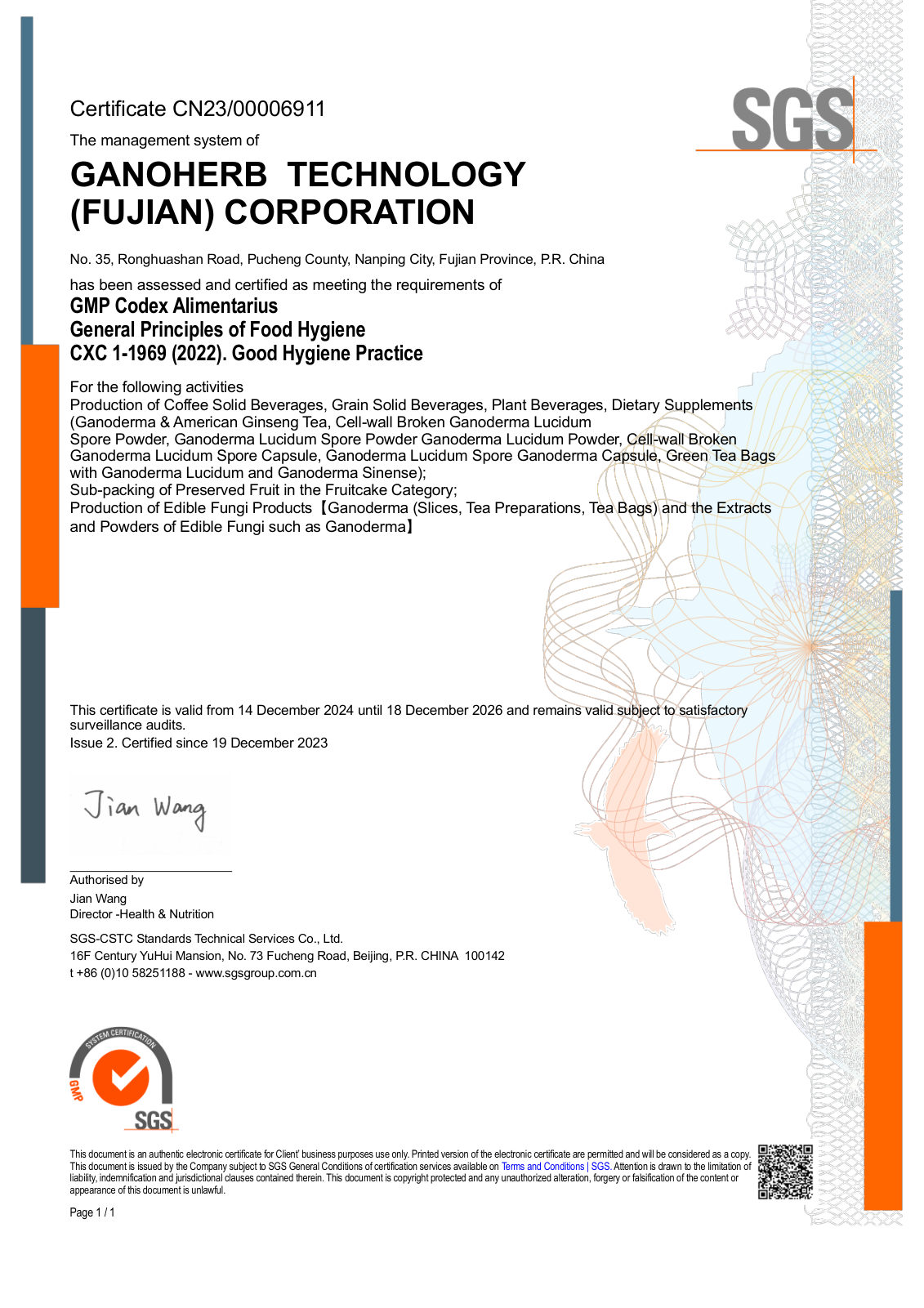
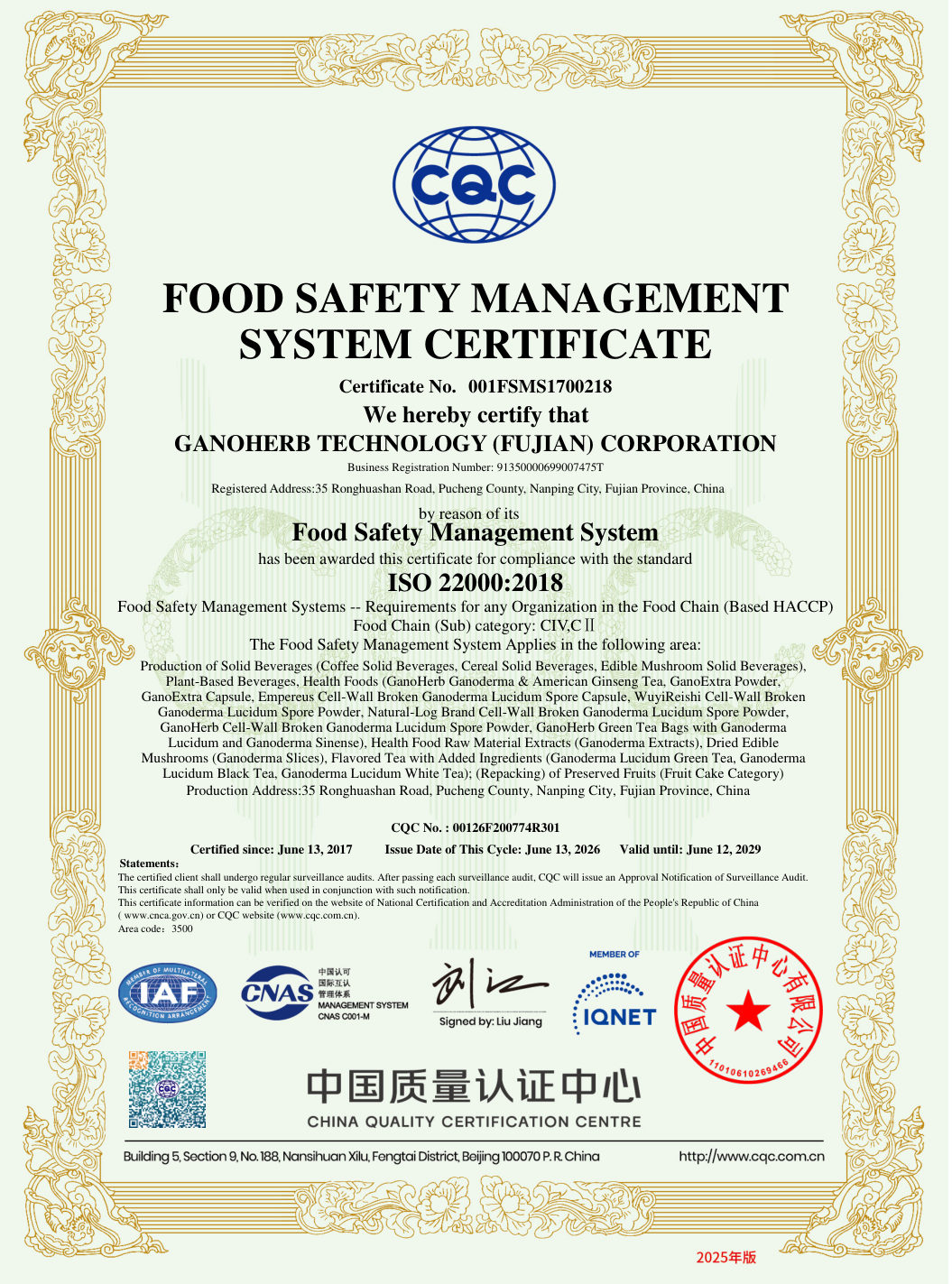
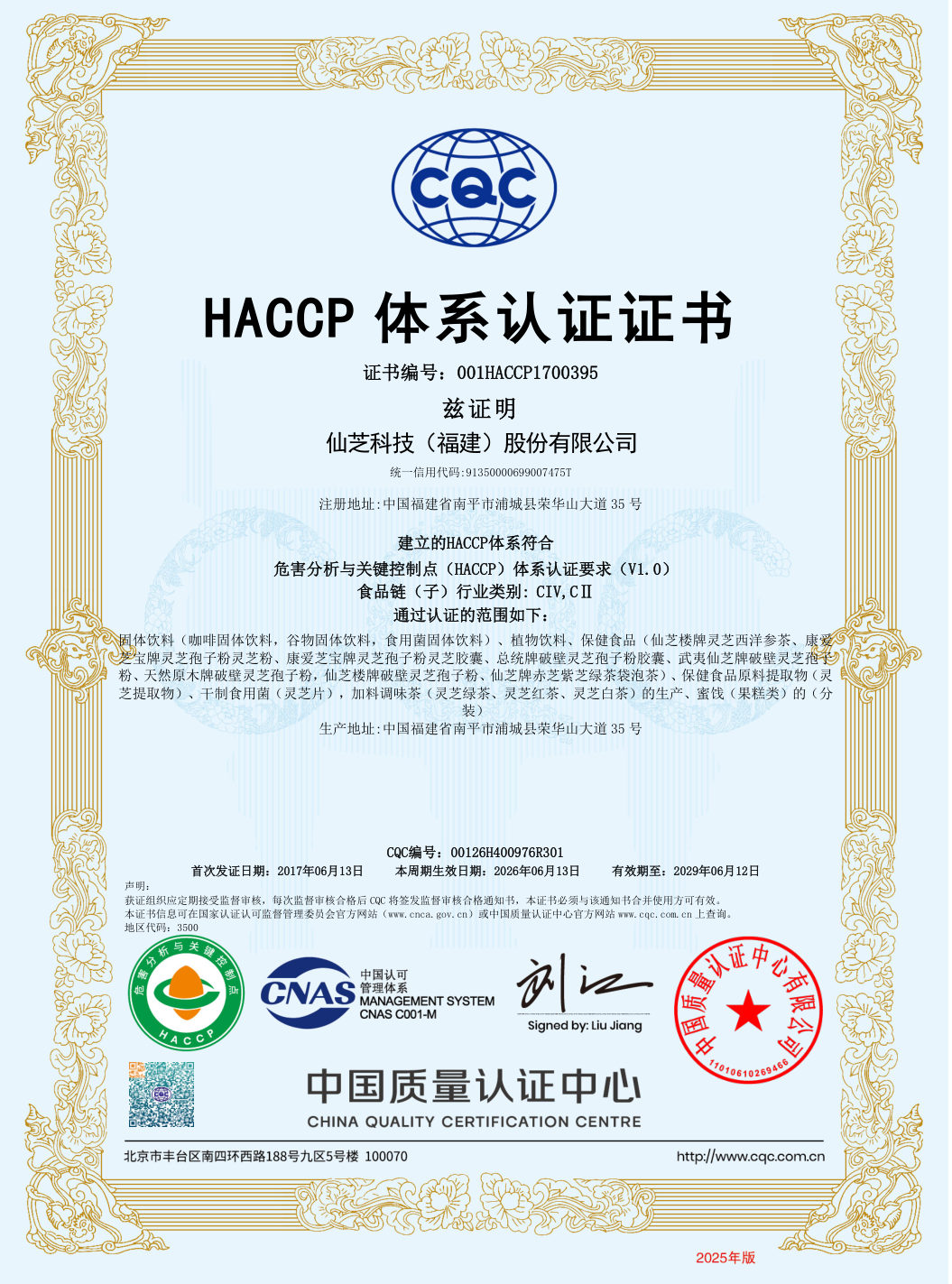
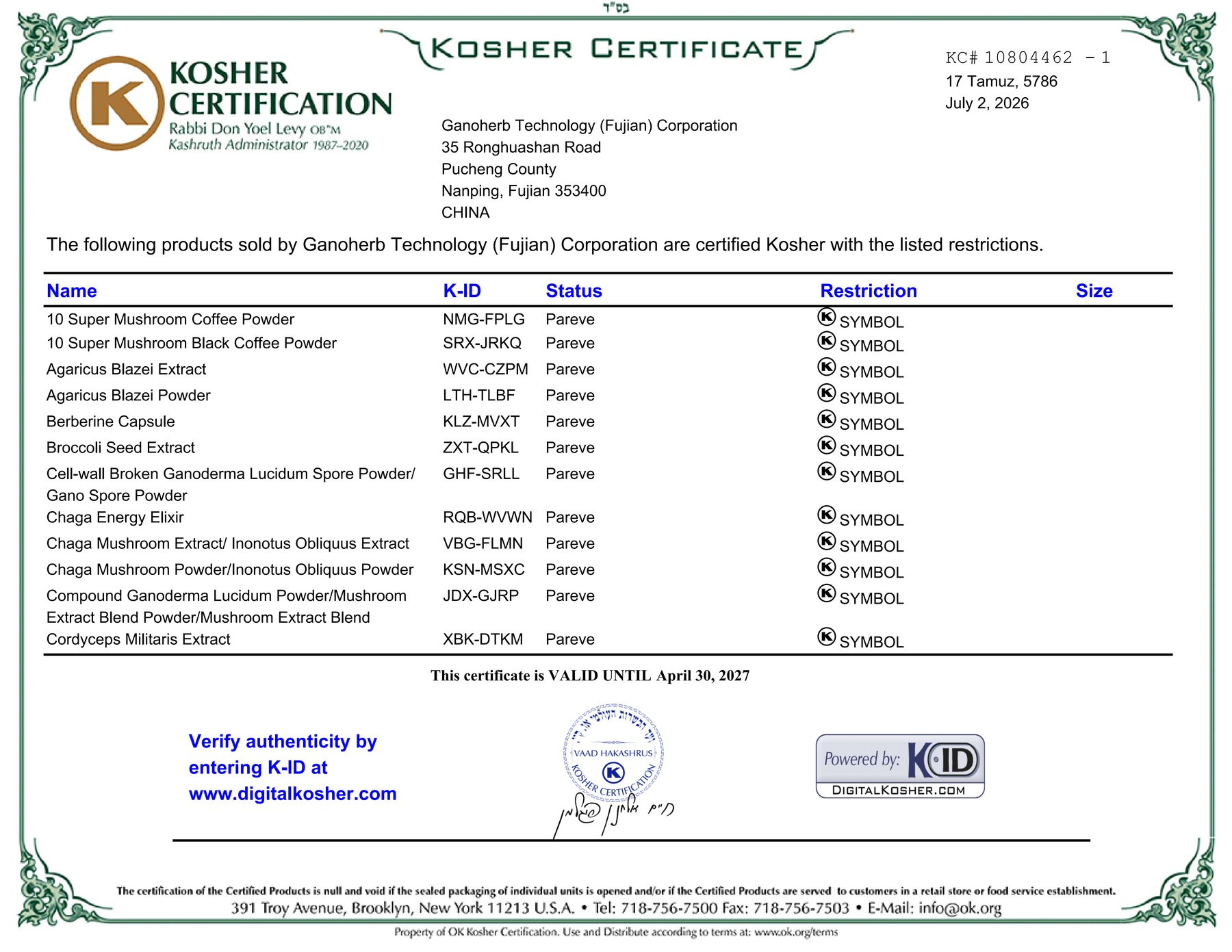
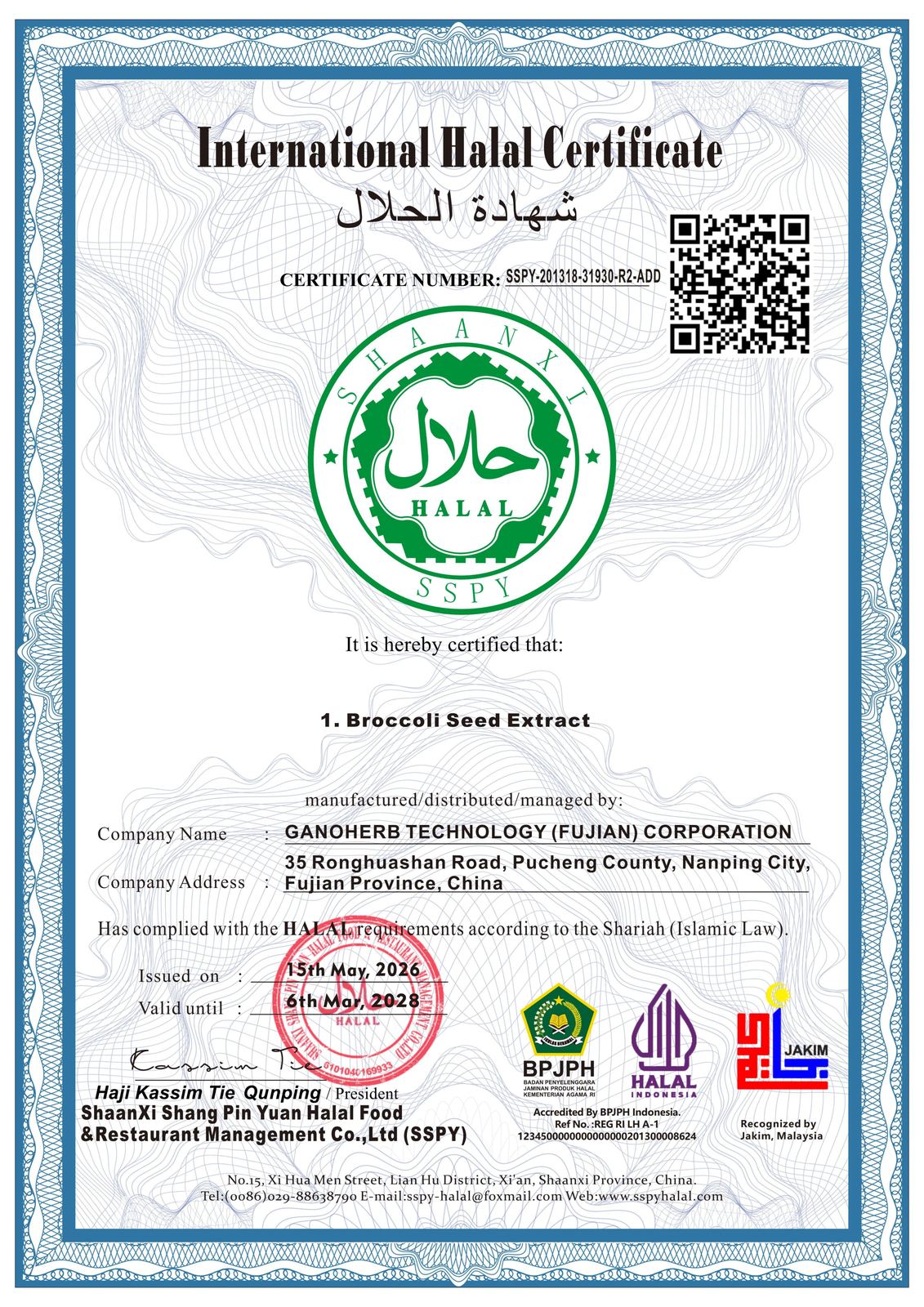
Contract manufactured by GANOHERB TECHNOLOGY (FUJIAN) CORPORATION | Fushan controls seeds, processes and quality acceptance.

Certificate details

*Company-reported. Yunnan about 133.3 ha; Sichuan about 66.7 ha. Liquid formats apply to GR-13; the SFN Series is intended for solid formats.

Discuss your supply requirements

07 / Company news

Inside Fushan.
Science & conversations.

Exhibitions, events and science updates from the EXTRABROC® team.

All company news

Buyer FAQ

A few things to know first.

What is EXTRABROC® SFN made of?

EXTRABROC® SFN is an ingredient system designed around stable, sustained sulforaphane generation. It has three modules:

  • Standardized broccoli seed aqueous extract — the source of glucoraphanin, the precursor. The precursor comes from a water extract of broccoli seeds, not from chemical synthesis.
  • Active myrosinase — the enzyme that converts glucoraphanin to sulforaphane. Its activity determines conversion, and it is the part of the system most easily lost.
  • Food-grade stabilizing component — part of Fushan’s patented GRN-Myrosinase Co-Delivery System. It protects the precursor and the enzyme activity at ambient temperature.

The seed extract sets how much precursor goes in, myrosinase sets the conversion capacity, and the stabilizing component sets how much of both remains during ambient storage. EXTRABROC® GR-13 is the seed extract alone, specified by glucoraphanin content.

Under what conditions is the conversion rate measured, and how should it be read?

In-vitro conversion is a side-by-side comparison measured in simulated gastric fluid; it does not show conversion in the human body. Conversion in the body varies with individual gut microbiota, how and when a product is taken and the finished-product format, so it cannot be stated as a single number.

For the EXTRABROC® SFN Series, conversion is evaluated in simulated post-meal gastric fluid prepared according to the Chinese Pharmacopoeia, adjusted to pH 3.5, with pepsin, at 37 °C for 120 min. Under these conditions, from an initial 100 mg of glucoraphanin, the SFN Series generated 22.3 ± 1.2 mg of sulforaphane (n=3), a conversion rate of ≥55% (in vitro); the control without the enzyme generated <1 mg.

These are in-vitro results from Fushan’s own laboratory, used to compare formulations and control quality. They apply only to the test conditions above and do not represent conversion in humans. When comparing products, check that the test medium, pH and reaction time are the same.

How stable is EXTRABROC®, and how can stability be checked?

The TDS and label of each model state a two-year shelf life for unopened, intact packaging stored as specified.

Stability is evaluated by accelerated testing in a stability chamber: 40 °C ± 2 °C and 75% ± 5% RH, usually for 6 months, with samples taken at 0, 3 and 6 months and tested against the stability items. From the accelerated results, the shelf life of EXTRABROC® ingredients at 25 °C / 60% RH is extrapolated to ≥24 months.

Because this method takes months, we suggest also asking each supplier for its internal stability data for a side-by-side comparison.

How are EXTRABROC® ingredients tested on acceptance?

SFN Series (sulforaphane). Take 1 g of ingredient and add 200 g of water (do not use methanol or ethanol). Stir in a 37 °C water bath for 2 h, then measure sulforaphane by HPLC at 245 nm.

GR-13 (glucoraphanin). Take 0.5 g of ingredient and add 100 g of water. Sonicate for 10 min, then measure glucoraphanin by HPLC at 229 nm.

The SFN specification refers to the sulforaphane content measured after conversion under this method. This acceptance-test method is separate from the simulated gastric fluid test behind the ≥55% conversion figure. The batch COA is provided with your order or on request.

All buyer questions

08 / Sample & dossier request

Let’s shape your
next formulation.

Tell us your target market, ingredient requirements and application. Our team arranges samples and technical files with you directly.

01Share your
project
02Confirm model
& files
03Start technical
evaluation
REQUEST WITH YOUR PROJECT

Specification · COA · Third-party testing
Stability data · Certificates · Technical dossier

Documents are provided through personal consultation.
Sample & dossier request

FDA statement

These statements have not been evaluated by the Food and Drug Administration. EXTRABROC® ingredients are supplied to manufacturers for further formulation and are not intended to diagnose, treat, cure, or prevent any disease.

Read the full regulatory notice

Cookie preferences

This website currently sets no analytics, advertising or tracking cookies. Your choice below is stored in your browser only and applies if optional categories are used in future.

Privacy policy