
Technology · Evidence
Science & research
How EXTRABROC® is designed to generate sulforaphane, how to read the figures behind it, and the clinical studies that use ZHIYINGUOSU, a Fushan product made with EXTRABROC® SFN-5.
From glucoraphanin to sulforaphane
Broccoli seeds contain glucoraphanin, a stable compound that can be converted to sulforaphane by myrosinase, or by myrosinase-like activity of the gut microbiota. Ingredient approaches differ in where that conversion happens:
- Glucoraphanin alone relies on the consumer’s gut microbiota, which varies between individuals.
- Sulforaphane supplied directly skips conversion, but sulforaphane degrades quickly, so retained content is the key question.
- Glucoraphanin with myrosinase depends on how much enzyme activity is retained over time.
- EXTRABROC® SFN, a Glucoraphanin-Myrosinase Complex, combines glucoraphanin, myrosinase and a food-grade stabilizing component in the patented GRN-Myrosinase Co-Delivery System (China patent ZL202211488217.2; Japan Patent No. 7379533).
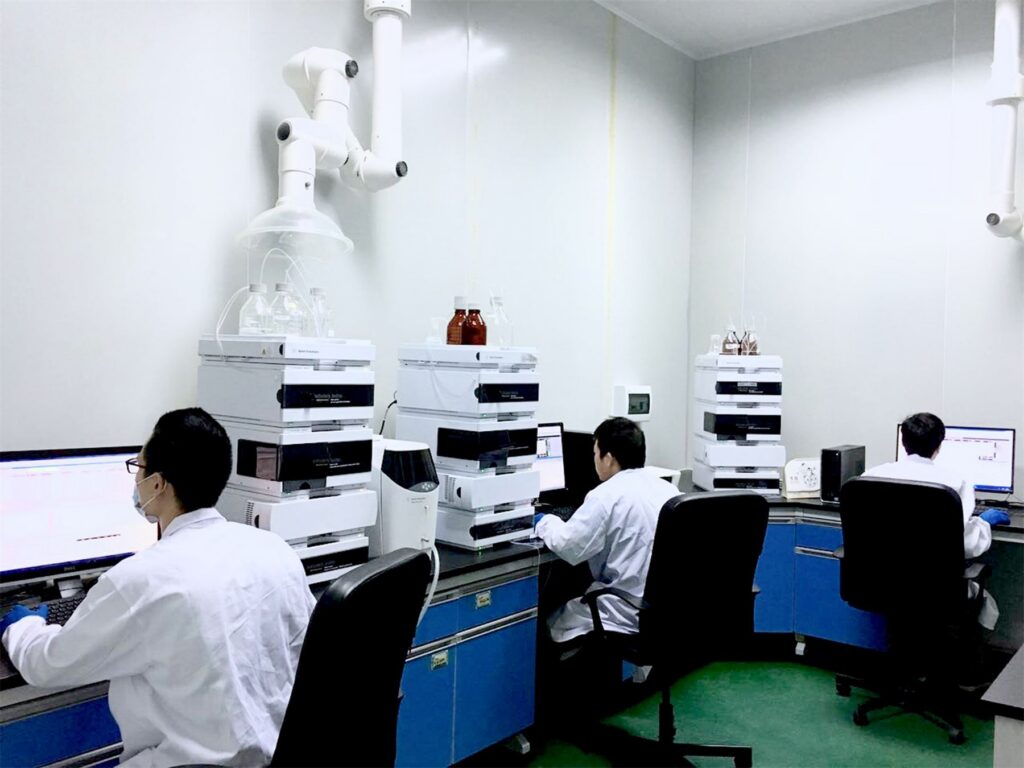
Three routes and the EXTRABROC® system compared
Conversion, stability, target-market review and research evidence for glucoraphanin alone, direct sulforaphane, glucoraphanin with myrosinase, and the EXTRABROC® system.
| Evaluation | GRN alone | Direct SFN | GRN + myrosinase | EXTRABROC® Enhanced |
|---|---|---|---|---|
| Conversion evidence | Microbiota-dependent Conversion relies on the consumer’s gut microbiota and varies significantly between individuals [3], with a mean in vivo conversion rate of ~10% and up to 40-fold inter-individual variation [1]. |
No conversion step The active compound is supplied directly. Retained potency is a key evaluation point. |
Enzyme-assisted Conversion performance depends on the activity retained by the myrosinase, with a mean in vivo conversion rate of 39.6% [2]. |
≥55% in vitro* Conversion rate in simulated gastric fluid: pH 3.5, 37 °C, 120 min, with pepsin. |
| Storage & stability | Precursor stability GRN: relatively stable under specified storage & packaging conditions [2,3]. |
Active-compound retention SFN follows first-order degradation kinetics, with stability evidence and handling requirements varying by specific formulation. At pH 4.0, a 10 °C temperature shift alters the degradation rate by ~3.1-fold [4], and cold storage is required [5]. |
Two-component retention Check both GRN content and retained myrosinase activity over time. |
24-month tests* Accelerated test at 40 °C / 75% RH for 6 months and long-term test at 25 °C / 60% RH for 24 months: GRN retention ≥95%, myrosinase activity retention ≥85%. |
| Target-market review | Ingredient identity Assess the source, composition, intended use and destination-market requirements. |
Formulation-specific A general category description does not establish market access for a formulation. |
Composition & use Review both components and the intended finished-product application. |
Request the dossier Confirm the exact SKU, intended use and current documentation for your market. |
| Research evidence | Match the study material Review studies using the actual precursor material and relevant conditions. |
Match the formulation Assess evidence for the specific active formulation and study design. |
Review the combination Check enzyme inclusion, studied formulation and the reported outcomes. |
12 studies listed* Listed by Fushan for the finished product ZHIYINGUOSU; a listing is not efficacy proof for every SKU. |
*Company-reported. ≥55% is the conversion rate in the stated in-vitro test, not a rate in the human body. Figures cited for the other routes are in vivo values from the literature listed below and are not directly comparable with the in-vitro figure. Human research is referenced separately; these are different evidence contexts.
- Nutrients. 2019;11(7):1489. DOI: 10.3390/nu11071489. PMID: 31261930.
- PLoS One. 2015;10(11):e0140963. DOI: 10.1371/journal.pone.0140963. PMID: 26524341.
- Cancer Epidemiol Biomarkers Prev. 1998;7(12):1091–1100. PMID: 9865427.
- Drug Dev Ind Pharm. 2014;40(4):494–502. DOI: 10.3109/03639045.2013.768634. PMID: 23611476.
- J Food Sci Technol. 2018;55:4687–4693. DOI: 10.1007/s13197-018-3395-4. PMID: 30333666.
Reading the figures
Each figure answers a specific question under specific conditions. Keep the context with the number.
| Figure | What it is | What it is not |
|---|---|---|
| ≥1.0% / ≥5.0% / ≥10.0% | Nominal sulforaphane specification in the TDS of SFN-1, SFN-5 and SFN-10 | A batch result, a consumer dose or an efficacy grade |
| ≥13.0% | Nominal glucoraphanin specification in the English TDS of GR-13 | A sulforaphane value |
| ≥55% | Glucoraphanin-to-sulforaphane conversion rate of EXTRABROC® SFN in simulated gastric fluid (in vitro): pH 3.5, 37 °C, 120 min, with pepsin. Fushan laboratory test | A human conversion, absorption or bioavailability rate |
| 2 years | Shelf life stated in the TDS and label for unopened, intact packaging stored as specified | A guarantee for opened bags or for every activity measure |
| ≥95% · ≥85% | GRN retention and myrosinase activity retention in Fushan’s stability tests: accelerated at 40 °C / 75% RH for 6 months (extrapolated equivalent ambient shelf life ≥24 months) and long-term at 25 °C / 60% RH for 24 months | A third-party certification, or a result for a finished product |
ESY: a theoretical framework
ESY (Effective Sulforaphane Yield) is Fushan’s evaluation approach. It shifts the question from glucoraphanin content to effective sulforaphane yield, and considers glucoraphanin content, glucoraphanin-to-sulforaphane conversion, and stability in storage and processing together.
ESY (mg) = GRN (mg, expressed as free acid) ÷ 2.47 × conversion fraction × stability-retention fraction
The two fractions are expressed as decimals. 2.47 = molar mass ratio, glucoraphanin (437.5 g/mol) ÷ sulforaphane (177.3 g/mol). ESY describes a theoretical relationship only (illustrative, not for dosing), and each factor depends on the material, method and conditions evaluated.
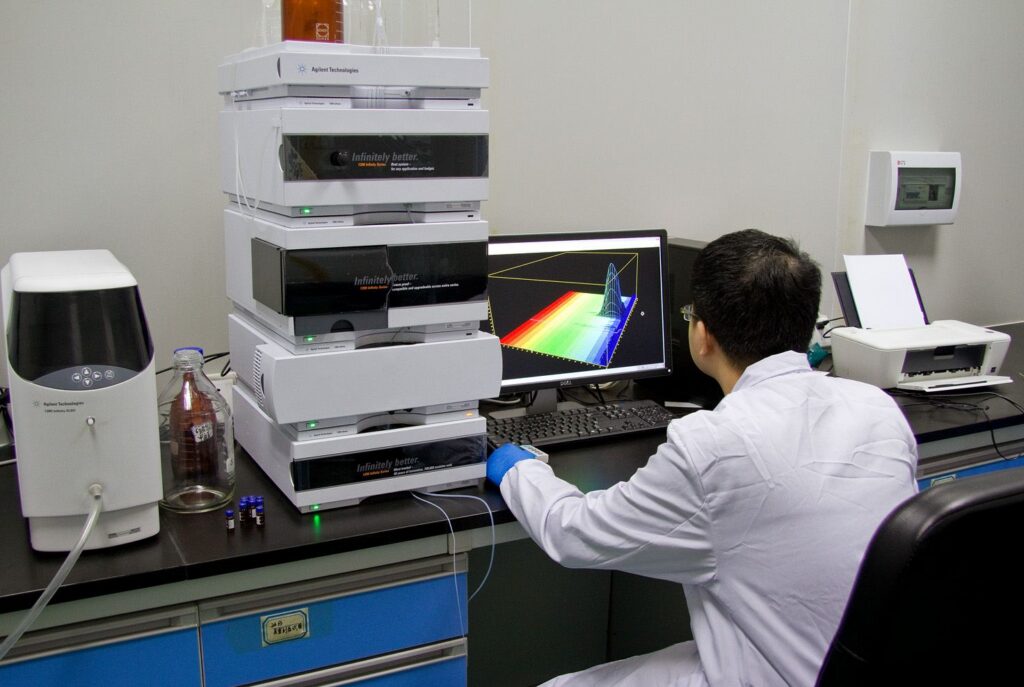
Human research with ZHIYINGUOSU
ZHIYINGUOSU is a Fushan finished product made with EXTRABROC® SFN-5. As of 13 October 2026, twelve studies are listed, eight of them in public trial registries. The studies are investigator-initiated: hospitals and universities are responsible for the research question, design and data, and ZHIYINGUOSU is the intervention product.
| Record | Study | Intervention product | Design | Fushan’s documented role | Status |
|---|---|---|---|---|---|
| NCT03932136 ↗ | Decreasing Risk of Psychosis by Sulforaphane (DROPS Trial) | ZHIYINGUOSU | Phase 3, multicentre, randomized, placebo-controlled, quadruple-blind | Listed collaborator. The published protocol states that Fushan provided ZHIYINGUOSU free of charge and manufactured the active tablets and matching placebo. Sponsor: Shanghai Jiao Tong University School of Medicine. | Active, not recruiting (registry verified June 2026). No results posted; a study protocol has been published. |
| NCT05145270 ↗ | A Comparative Study on Efficacy and Safety of add-on Sulforaphane or rTMS to Escitalopram for Major Depressive Disorder With Poor Response to Initial Treatment | ZHIYINGUOSU | Phase 4, randomized, parallel, outcome-assessor blinded | The intervention description names ZHIYINGUOSU (Fushan). Not listed as sponsor or collaborator. Sponsor: Shanghai Mental Health Center. | Unknown status (registry last verified September 2021). No results posted. |
| NCT05148169 ↗ | A Pilot Study on Effect of add-on Sulforaphane to SSRIs and Application of Niacin Skin Flush Response Test in Major Depressive Disorder | ZHIYINGUOSU | Phase 4, randomized, parallel, outcome-assessor blinded | The intervention description names ZHIYINGUOSU (Fushan). Not listed as sponsor or collaborator. Sponsor: Shanghai Mental Health Center. | Unknown status (registry last verified November 2021). No results posted. |
| ChiCTR2000028706 ↗ | The efficacy and safety of sulforaphane as an adjuvant in the treatment of bipolar depressive disorder: study protocol for a randomized, double-blinded, placebo-controlled, parallel-group clinical trial | ZHIYINGUOSU | Randomized, double-blind, placebo-controlled, parallel-group | The current registry version names a Fushan product as study material. Sponsor: The First Affiliated Hospital, Zhejiang University School of Medicine. | Registry record last refreshed 1 July 2024. Results not published in the registry; a study protocol has been published. |
| ChiCTR2100050687 ↗ | Human clinical study in the area of fatty liver | ZHIYINGUOSU | As described in the registry record | Investigator-initiated. ZHIYINGUOSU is listed as the intervention product in Fushan’s study table. | Completed. An interim results paper was published in Food & Function in 2024 (DOI 10.1039/d4fo01059k). The final results paper has been completed and is under submission. |
| Ethics approval 2021-09 | Building an Optimized Nutrition Pathway Based on Niacin Skin Response Testing | ZHIYINGUOSU | Real-world study | Investigator-initiated. ZHIYINGUOSU is listed as the intervention product in Fushan’s study table. | Documented by ethics approval letter No. 2021-09; no public registry record. |
| ChiCTR2500107819 ↗ | Effects of Sulforaphane on Nurse Insomnia: The Mediating Role of Gut Microbiota | ZHIYINGUOSU | Interventional, randomized, parallel, double-blind | Not named in the registry record. Fushan’s study table lists ZHIYINGUOSU as the intervention product. Sponsor: Hunan Provincial People’s Hospital. | Retrospective registration (registered and last refreshed 19 August 2025). Recruiting status listed as “Recruiting”; study execution 30 April 2025 to 30 July 2026 (registry checked 2 November 2026). |
| Ethics approval 2023-08-01-2 | A Precision Nutrition Pathway Study of Sulforaphane Based on Niacin Skin Response Testing | ZHIYINGUOSU | Real-world study | Investigator-initiated. ZHIYINGUOSU is listed as the intervention product in Fushan’s study table. | Documented by ethics approval letter No. 2023-08-01-2; no public registry record. |
| ChiCTR2500115801 ↗ | Study on the Mechanism of Radish Sulfur in Improving autism spectrum disorder (registered English title) | ZHIYINGUOSU | Non-randomized controlled, exploratory | Not named in the registry. Fushan’s study table lists ZHIYINGUOSU as the intervention product. Sponsor: The Second Xiangya Hospital of Central South University. | Recruitment completed per registry record refreshed 31 December 2025. Results not published. |
| NCT07652866 ↗ | Mechanisms of Sulforaphane Supplementation in Alleviating Negative Symptoms and Cognitive Impairment in Schizophrenia | ZHIYINGUOSU | Interventional, randomized, double-masked, placebo-controlled | The intervention description states that ZHIYINGUOSU is provided at no cost by Fushan and that active and placebo tablets are manufactured by Fushan. Sponsor: Second Xiangya Hospital of Central South University. | Not yet recruiting (registry verified June 2026). No results posted. |
| Ethics approval 2026023K | An Individualized Intervention Study on Genotype and Dietary Isothiocyanate Metabolism in the Prevention of Bladder Cancer Recurrence | ZHIYINGUOSU | As described in the study documents | Investigator-initiated. ZHIYINGUOSU is listed as the intervention product in Fushan’s study table. | Documented by approval No. 2026023K; no public registry record. |
| Ethics approval [2026] Y145 | Effects and Preliminary Mechanisms of a Glucoraphanin-Rich Broccoli Seed Aqueous Extract on Sleep Quality in Adults with Poor Sleep Quality | ZHIYINGUOSU | Exploratory study | Investigator-initiated. ZHIYINGUOSU is listed as the intervention product in Fushan’s study table. | Documented by research review approval No. [2026] Y145; no public registry record. |
The table shows the records with their public registry number or approval number. Registered titles, design and status are quoted from the registry record where one is public (ClinicalTrials.gov checked on 13 October 2026; ChiCTR as shown in the latest record). A registration or approval describes a study; it is not a result. Roles are shown only as stated in the record, the related publication or Fushan’s study table. The studies concern the finished product and do not establish results for every ingredient model.
Published protocols: DROPS (NCT03932136), Early Intervention in Psychiatry 2021, doi:10.1111/eip.12988; ChiCTR2000028706, Medicine 2020, doi:10.1097/MD.0000000000020981.
Published results: ChiCTR2100050687, interim results, Food & Function 2024, doi:10.1039/d4fo01059k. The final results paper has been completed and is under submission.
Note: According to official records from the Chinese Clinical Trial Registry (ChiCTR), the investigational product used in this study (ChiCTR2000028706) was ZHIYINGUOSU from Shenzhen Fushan Biotech Co., Ltd. This replaced Avmacol, which was cited as the planned intervention in the original published article.
Request the research dossier.
Tell us your project and target market; we will share the study documents that are available for review.